Information
Landmark: Gasparee CavesCity: Chaguaramas
Country: Trinidad and Tobago
Continent: North America
Gasparee Caves, Chaguaramas, Trinidad and Tobago, North America
Overview
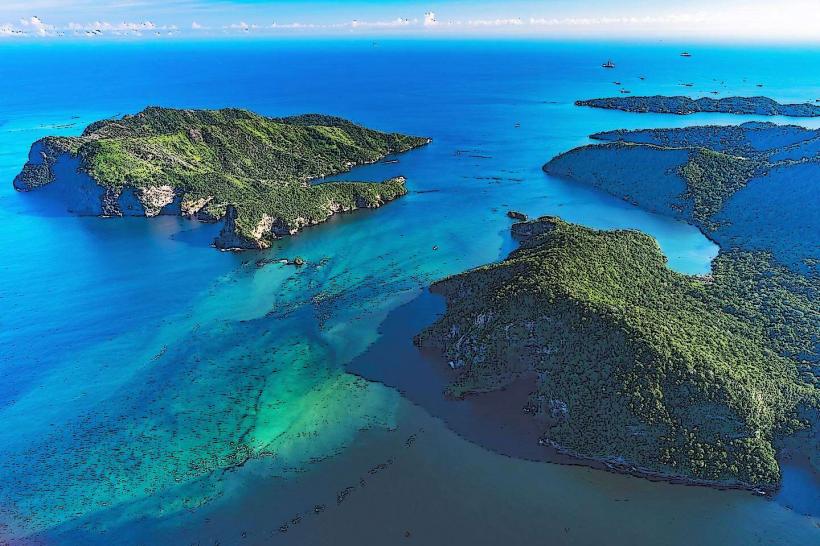
Tucked into Gasparee Island in the Bocas chain, just off Trinidad’s northwest coast, the Gasparee Caves shimmer with limestone walls and cool, echoing chambers, alternatively the island’s caves draw crowds with their towering stalactites, rising stalagmites, and rock shapes twisted like frozen waves.Here’s a closer inspect at the Gasparee Caves: they’re tucked away on Gasparee Island in the Gulf of Paria, just a short boat ride from the docks of Chaguaramas, Trinidad, where the air smells faintly of salt, what’s more the island belongs to the Bocas chain, and you can get there by boat from Chaguaramas in about 15 to 20 minutes-a quick ride with sea spray on your face, occasionally The boat ride to the island glides past rugged cliffs and shimmering blue water, after that once you step onto Gasparee Island, a short but moderately steep trail leads you up to the cave entrance.The hike takes just 10 to 15 minutes, leading you to sweeping views of the island’s green hills and glittering coastline, consequently the Gasparee Caves, carved from limestone over thousands of years by water and erosion, reveal their story in smooth walls and cool, echoing chambers.Water has carved the caves’ striking stalactites and stalagmites over centuries, each drip leaving its mark, on top of that inside, you’ll find chambers that open wide like echoing halls, and others so tight you can brush both walls with your fingertips, under certain circumstances The main chamber stands out for its towering stalactites that drip like frozen stone from the ceiling and stalagmites that reach up from the floor, some stretching several feet high, subsequently in spots where the roof has caved in, sunlight streams through, casting warm patches across the rock.Frankly, Sunlight filters into the cave, casting a pale glow that turns the air almost magical and otherworldly for anyone who steps inside, and beyond the stalactites and stalagmites, you’ll find rippling sheets of flowstone, towering columns, and stone draperies that hang like frozen waterfalls, each adding to the cave’s beauty.Long before tourists arrived, the Gasparee Caves sheltered Trinidad’s indigenous people, and later offered refuge and use to early European settlers, and early Caribbean explorers may have ducked into the caves for shelter or to stay out of sight, their footsteps echoing in the cool, damp air.Records of their use are scarce, which makes the caves all the more intriguing to explore, as well as locals tell heritage tales of pirates and hidden treasure-though no proof has ever surfaced-while a cool, damp hush fills the air inside, under certain circumstances Visitors can join guided tours led by locals, a safer way to navigate the passages and uncover their history and unique geology, after that guides share how the cave formed, point out rare plants and animals, and tell the antique stories tied to the site.Visitors wander through the main chambers, pausing to trace the cool, rippled curves of the stone and study the cave’s delicate patterns, along with parts of the cave get slick underfoot or narrow enough to brush your shoulders, so sturdy shoes are a must.Bring your camera-the jagged rock shapes and shafts of light make for stunning shots, equally important still, visitors should go easy with flash photography-it can harm the fragile rock formations over time, just like a sudden glare can startle your eyes.After the cave tour, slip into the cool, glassy waters off Gasparee Island for a swim or snorkel, in conjunction with the waters around the island are perfect for snorkeling-slip beneath the surface and you’ll find coral reefs dotted with glowing tropical fish.Gasparee Island itself is draped in green, from tangled mangroves to dense forest and salt-tough coastal plants, equally important lush greenery frames the island’s caves, making every step feel like a meander through a living painting, while overhead, shining birds call and lizards dart past compact, quick-footed mammals.While hiking to the caves, you might spot green iguanas basking on warm rocks, shy agoutis darting into the brush, or flashes of wings from luminous tropical birds, to boot before setting out for the Gasparee Caves, check the forecast-this island can surprise you with sudden bursts of rain.As it happens, When the ground’s damp, the trails get slick, so watch your step, then wear sturdy, non-slip hiking shoes and light layers you can move in-the climb to the caves can work up a sweat.If you’re planning to swim or snorkel later, be sure to pack your swimsuit-toss it in with your towel, equally important because the area can be tricky and even perilous without experience, a guided tour is your safest bet, especially if it’s your first visit.Guides keep visitors protected and lead them through the winding, sometimes slippery paths inside the caves, after that the Gasparee Caves rank among Trinidad’s most visited natural wonders, drawing adventure-seekers, geology buffs, and nature lovers from near and far, more or less Hiking the trails, exploring shadowy caves, and taking in Gasparee Island’s striking beauty make it one of the region’s top eco-tourism spots, as well as even with its popularity, the island and its caves keep a calm, almost hushed atmosphere-a welcome break from the city’s noise.The Gasparee Caves themselves are a captivating highlight, with glittering rock formations and layers of history waiting to be uncovered, what’s more whether you’re chasing thrills, soaking in the island’s wild beauty, or tracing its past through echoing limestone chambers, the Gasparee Caves deliver an experience you won’t forget.
Author: Tourist Landmarks
Date: 2025-09-11